Founder field note
6 Product Launch Strategy Examples for Indie SaaS Founders
Six product launch strategy examples for indie SaaS, with the mechanics, effort, business-model fit and limits founders should weigh before copying.
Product launch strategy examples worth adapting for an indie software launch include a referral loop, reusable templates, educational content, a community showcase, an integration directory, and a template marketplace. The six examples below use real products to illustrate those mechanisms—not to claim their tactics caused a particular launch result. They are assessed by audience fit, setup effort, commercial fit, and the risk of copying the tactic without its underlying product value.
These are patterns for bootstrapped founders, pre-seed teams, and makers looking for early users, not a ranked list of launch platforms. The linked official pages show the products or current mechanisms discussed; they do not, by themselves, establish when or how each company originally launched. Treat the adaptations as starting points, then verify current terms and pricing before committing.
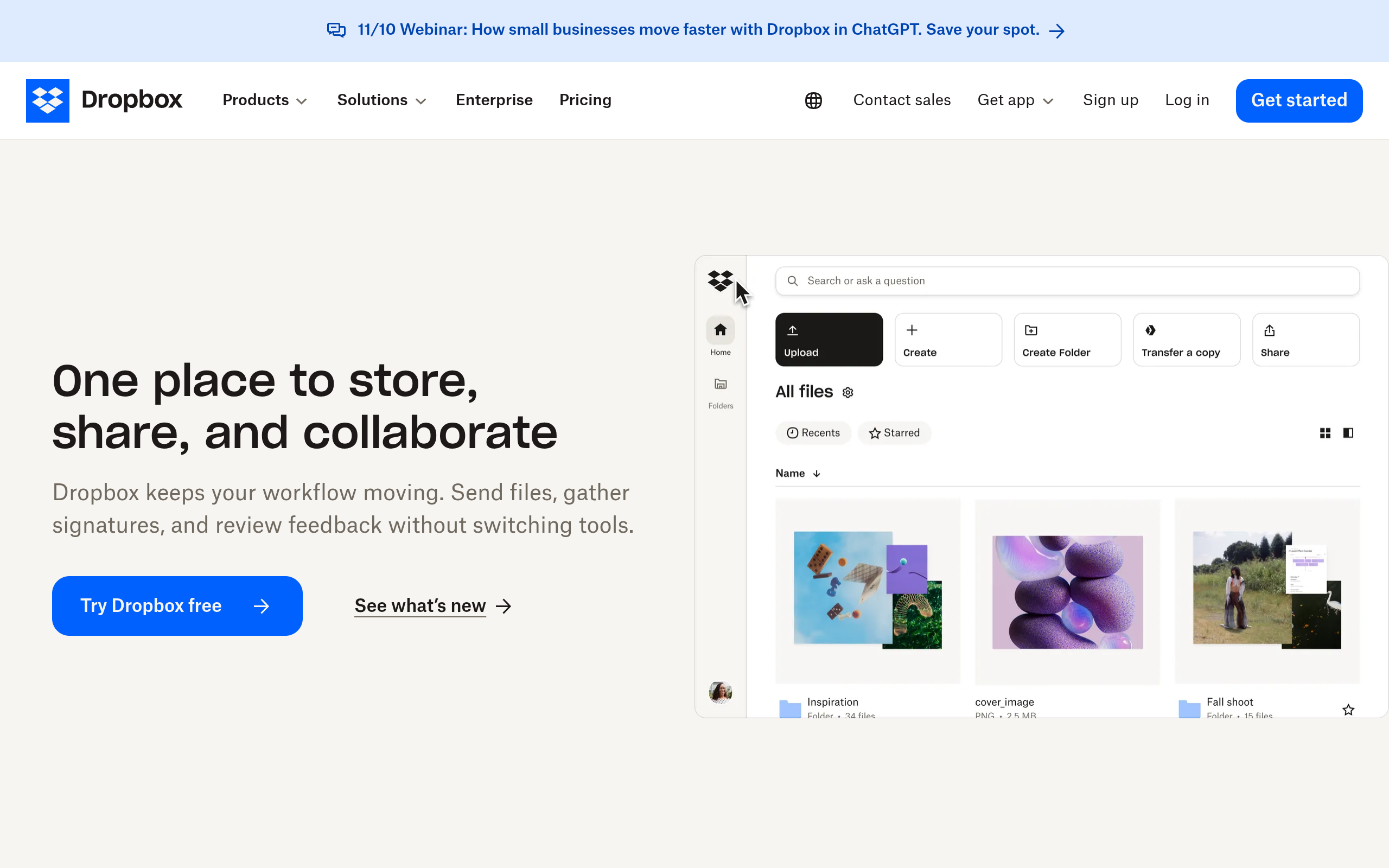
1. Dropbox: A referral-loop launch example
What the pattern demonstrates
Dropbox’s official referrals page documents a referral mechanism. The reusable idea is to give a satisfied user a clear reason to invite someone who also has a plausible reason to try the product. For a new SaaS, that could mean making an invitation part of a natural workflow—for example, asking a team to invite a collaborator when it shares a project. The example demonstrates the mechanism, not proof of a specific launch outcome.
Verdict and adaptation
- Best for: Products whose value increases when another person joins or collaborates.
- Does not suit: A solo workflow tool with no natural sharing moment; an incentive cannot manufacture product fit.
- Standout: A user action can create a relevant introduction rather than a generic social post.
Implementation burden: Medium to high. Define who qualifies, how invitations are tracked, and what happens if an invite is not a good-fit user. Commercial model: Make any reward sustainable against customer value and support costs; a non-cash perk or useful product access may be safer than an open-ended discount. This is a launch tactic, not a pricing tier. Start with a small, transparent pilot and check whether referred users activate—not merely whether they sign up.
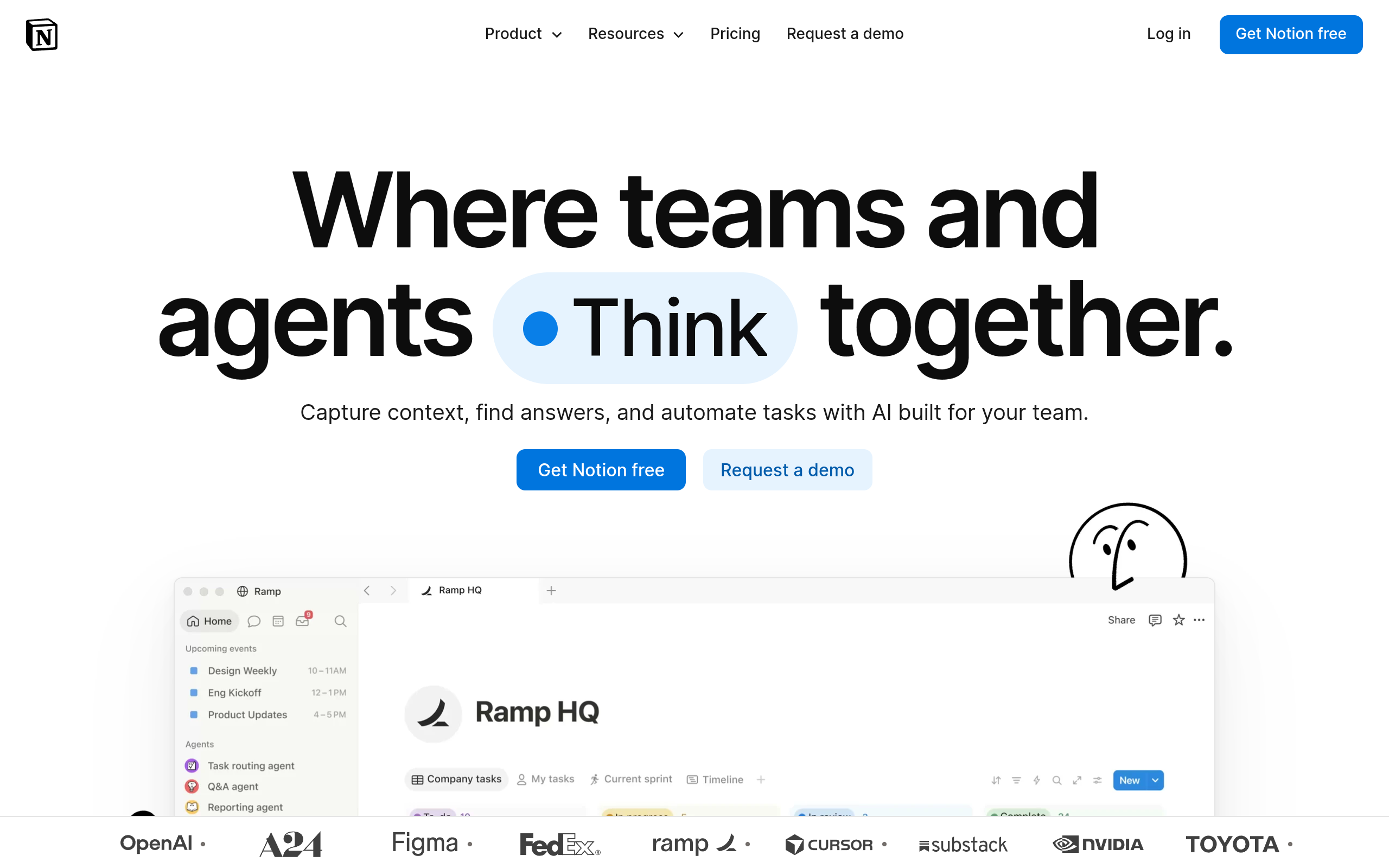
2. Notion: A template-led launch example
What the pattern demonstrates
Notion’s template gallery makes templates a visible way to discover and start using the product. The launch adaptation is to package a narrow outcome as a ready-to-use artifact: for example, a client onboarding workspace for a specific kind of small agency. A template can turn “here is what our software does” into “here is a useful starting point you can try.”
Verdict and adaptation
- Best for: Flexible products where users benefit from seeing a concrete workflow before configuring one.
- Does not suit: Products whose core value depends on complex setup, proprietary data, or expert implementation that a template cannot convey.
- Standout: The asset can demonstrate the product and help a new user reach a first useful result.
Implementation burden: Medium. Create a polished example, explain what to change, and keep it compatible with the live product. Commercial model: A free template can lead into a paid product, but only if the template solves a real first problem and the paid step adds meaningful value. Do not assume a free asset automatically converts; measure template use and the next action separately.
3. Canva: An education-led launch example
What the pattern demonstrates
Canva’s Design School offers educational material around design and using Canva. The adaptable launch pattern is to teach a task your target user already wants to complete, then show where the product helps in that process. A small scheduling app might publish a short guide to planning a content calendar; the product should be a relevant tool in the lesson, not an unrelated pitch inserted at the end.
Verdict and adaptation
- Best for: Products that help users learn a repeatable skill or complete a process with multiple steps.
- Does not suit: A launch that needs immediate feedback but has no time to produce and maintain useful educational material.
- Standout: Teaching can earn attention before a reader is ready to evaluate software.
Implementation burden: Medium to high. Pick one narrow user question, make the material genuinely helpful, and keep product instructions accurate as the software changes. Commercial model: Treat education as acquisition and activation support, not a substitute for pricing research. It can pair with a free trial or paid plan, but the content should not promise a result the product does not deliver. Track qualified visits and meaningful product actions rather than page views alone.
4. Figma: A community-showcase launch example
What the pattern demonstrates
Figma’s Community is a place to discover resources made with Figma. For a new product, the transferable tactic is to give users a useful way to share something they made, learned, or configured with the product. For example, a niche analytics tool might invite users to share a public dashboard template—provided that sharing is safe and genuinely useful to the creator.
Verdict and adaptation
- Best for: Products where user-created work can help another user understand a workflow or get started.
- Does not suit: Products handling sensitive data or workflows where public sharing creates privacy, moderation, or quality risks.
- Standout: A user contribution can serve as both a practical resource and a product demonstration.
Implementation burden: High if the team must build submission, review, and moderation processes; lower for a small, curated showcase on an existing site. Commercial model: Keep the showcase free to browse if discovery is the aim, and decide separately whether contributors receive payment, attribution, or another benefit. Do not imply that an open community is cost-free: set rules for ownership, privacy, and removal before inviting submissions.
5. Zapier: An integration-directory launch example
What the pattern demonstrates
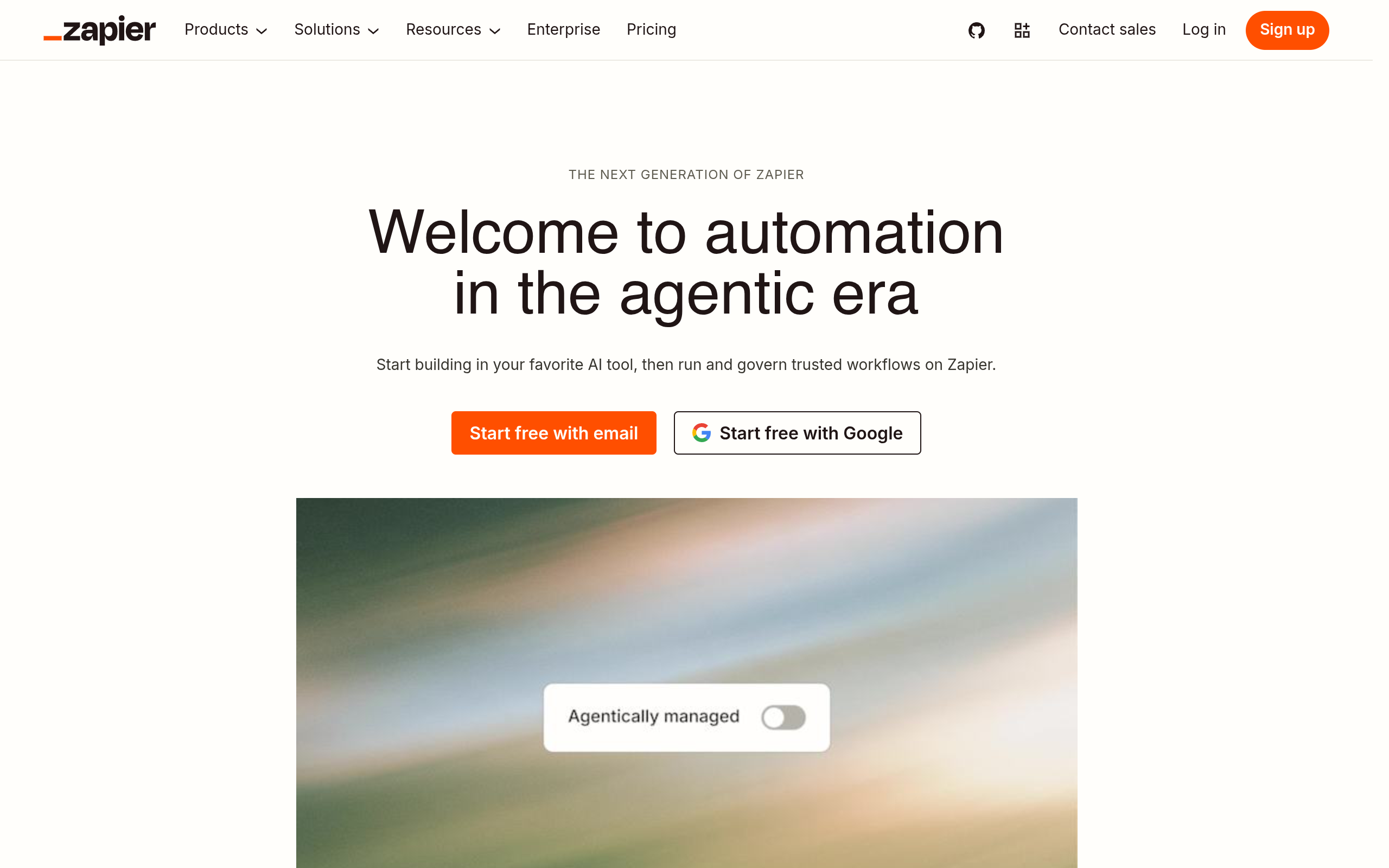
Zapier’s app directory lets visitors browse products and app integrations. The launch lesson is to make a product’s fit with the tools a target customer already uses easy to understand. A founder could publish a clear page explaining one verified integration or workflow, then recruit early users from communities organized around that existing tool. Do not advertise integrations that are not actually available.
Verdict and adaptation
- Best for: Software whose value depends on moving information between tools or fitting into an established workflow.
- Does not suit: A product with no dependable integration or one whose integration is only a future roadmap idea.
- Standout: The launch message can start from a recognizable customer workflow rather than an unfamiliar feature list.
Implementation burden: Medium to high. A real integration needs development, testing, documentation, and a plan for changes on either side. Commercial model: Decide whether the integration is included, limited, or part of a paid plan based on its ongoing maintenance and customer value; do not use a paywall that breaks the central product promise. For an early launch, a manually supported workflow can test demand, but label it honestly and avoid presenting it as a shipped integration.
6. Webflow: A marketplace-template launch example
What the pattern demonstrates
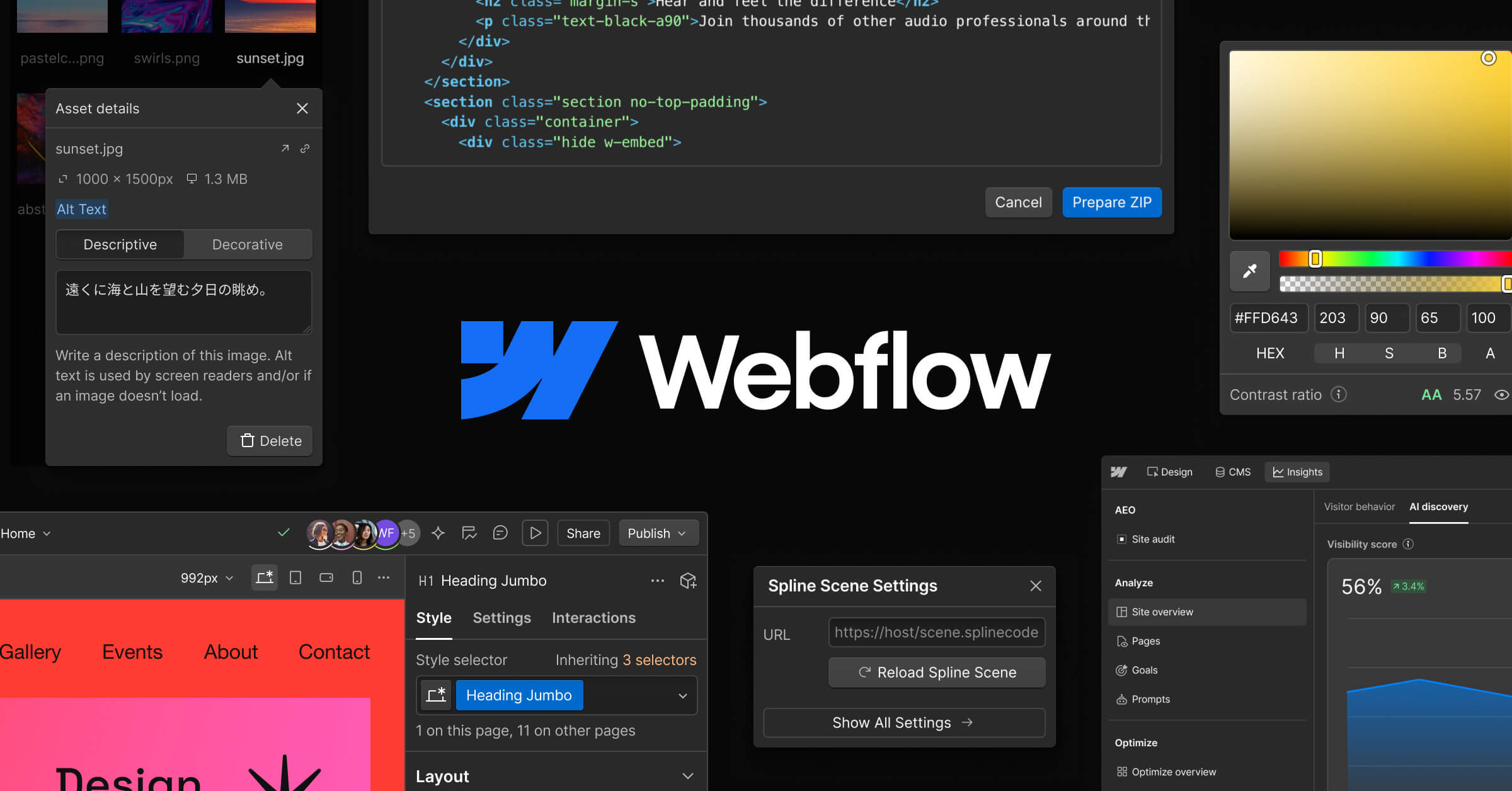
Webflow’s template marketplace gives visitors a way to browse website templates. The strategy to adapt is to turn a repeatable customer need into a ready-made starting point. For a SaaS launch, that might be a setup blueprint, importable workflow, or landing-page kit tailored to one audience. It only works when the asset reduces meaningful work rather than dressing up an incomplete product.
Verdict and adaptation
- Best for: Products with repeatable setups or use cases that can be packaged for a clearly defined audience.
- Does not suit: A product whose onboarding must be highly personalized or whose buyers need a service rather than a reusable asset.
- Standout: A useful packaged starting point can make a product’s intended use concrete.
Implementation burden: Medium. The team must build and maintain the asset, document prerequisites, and handle questions about adapting it. Commercial model: A founder can offer the asset free as an onboarding aid or charge for a more complete package, but should check that selling it does not undermine the product’s core offer. Treat either route as a test, not an assumed revenue stream; observe whether users reach the product’s intended first outcome.
Comparison
Use this table to choose a pattern by the work it requires and the behavior your product can support. “Cost” here means the likely operational shape of the tactic, not a quoted vendor price.
| Example pattern | Typical effort | Commercial fit | Strongest fit | Main limitation |
|---|---|---|---|---|
| Dropbox: referral loop | Medium–high | Reward must fit customer economics | Products with a natural invitation moment | Incentives may attract low-intent users |
| Notion: templates | Medium | Free asset supporting a paid product | Configurable workflows | Template use may not lead to activation |
| Canva: education | Medium–high | Content supports acquisition and onboarding | Products tied to a teachable task | Content needs upkeep and time to earn attention |
| Figma: community showcase | Medium–high | Free discovery with clear contributor terms | Products that generate shareable work | Moderation and privacy responsibilities |
| Zapier: integration directory | Medium–high | Plan around integration maintenance | Products embedded in existing workflows | Do not claim unshipped integrations |
| Webflow: marketplace template | Medium | Free or paid asset, tested against product value | Products with repeatable setups | Not a fit for bespoke implementation |
How to choose a launch strategy you can actually execute
Match the tactic to an observable user behavior
Start with the action that naturally exposes your product to another potential user. If a customer already invites teammates, test a referral or collaboration prompt. If users repeatedly ask how to configure the product, make a template. If the product solves a teachable task, publish one useful lesson. The tactic should follow the product’s strongest existing behavior; choosing a format first can create busywork without a route to adoption.
Before building anything, write down one audience, one promised outcome, and one next action. For example: “independent consultants can use this onboarding workspace to prepare a client kickoff; duplicate the template and complete the first checklist.” That is more testable than “raise awareness among small businesses.”
Run a small test with a stop condition
Choose a scope your team can maintain. An illustrative starting policy—not a universal benchmark—is to test one audience and one asset or channel, then review whether interested people complete the intended first action. If they see the page but do not try the product, improve the promise or the fit before scaling distribution. If they try it but stall, fix onboarding before buying more attention.
- Define success: Pick an action that signals genuine use, not just impressions or sign-ups.
- Name the cost: Include build time, support, moderation, incentives, and ongoing maintenance.
- Set a stop condition: Decide what evidence would make you revise or drop the tactic.
- Check the terms: Verify current vendor pricing, eligibility, and program terms on the relevant official pages before budgeting.
For an indie launch, the strongest strategy is usually the one that connects a real product advantage to a reachable group of early users without creating more operational work than the team can sustain. SuperPublic helps founders publish launches, discover newly launched indie products, and participate in a founder community; if that fits your launch plan, you can submit your product launch and explore what SuperPublic offers.
Authored with NotFair SEO